Biomass vs Wind, Hydro and Solar
Every renewable source has strengths and limits. Biomass gasification is not a rival to wind, hydro or solar so much as a complement — the dispatchable, any-location option that fills gaps the others leave. Comparing them side by side shows where each fits.
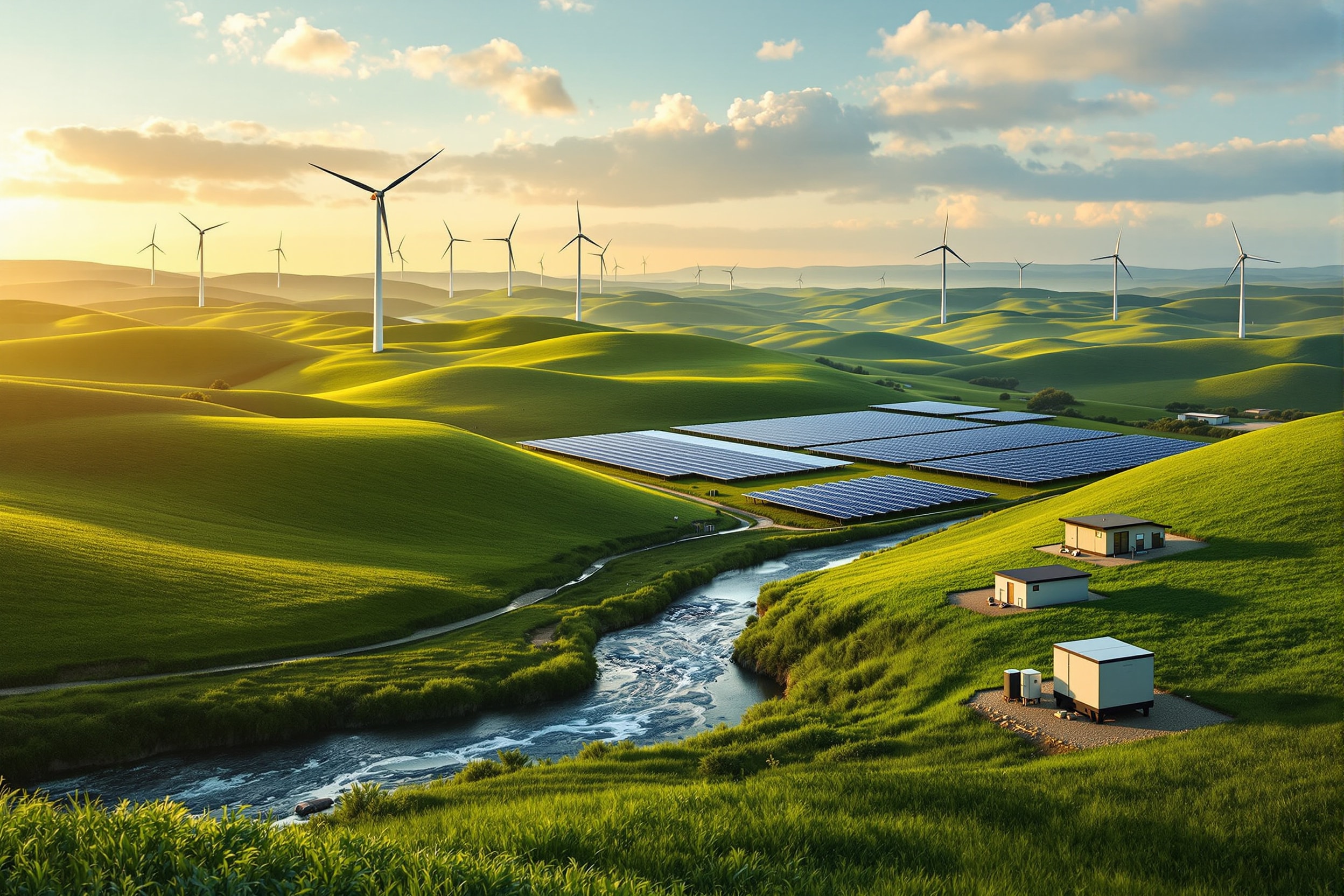
The case for diversification
With fossil fuels becoming both environmentally and economically costly, attention has turned to renewable sources: water, wind, sun and biomass. Each has given welcome relief from fossil dependence, yet each also has real constraints. Hydro output swings with the monsoon and rainfall; wind is confined to windy sites and varies hour to hour; solar works only in daylight and dips with cloud and season. None of this makes them poor choices — it makes the case for a mix.
Where biomass is different
Biomass stands apart chiefly because its energy is stored in a solid fuel that can be gathered, stored and used on demand. That gives it qualities the intermittent renewables lack:
- Feedstock in abundance across agricultural and forested regions, versus the seasonal or daylight limits of others
- Any-location capability, without the geographic constraints of good wind or river sites
- Low fuel cost where residues are used — not free like wind or sun, but cheap
- Firm output, at a higher build cost — in current US cost estimates a biomass plant costs more per kilowatt to build than utility-scale solar, wind or hydro, but its output can be called on whenever it is needed
- Valuable by-products such as charcoal, activated carbon and biochar — a revenue stream the others cannot offer
- A high plant load factor, because the plant can run whenever fuel and demand exist
Matching source to need
The practical question is rarely "which renewable is best?" but "which fits this need?" A daytime cooling or pumping load in a sunny region is a natural match for solar. A site with a strong, steady wind resource and grid access leans toward wind. But a factory needing round-the-clock process heat, or a remote community wanting dependable power after dark, is exactly where biomass gasification earns its place — provided a sustainable fuel supply exists nearby. Reading the demand profile first, then matching it to the resource actually available on site, leads to better decisions than ranking the technologies in the abstract.
Compare services, not devices
A fair comparison begins by defining the service required. A kilowatt-hour available whenever requested is not interchangeable with one available only during a favorable weather window, while high-temperature process heat is a different service again. Storage, backup generation and curtailment belong inside the comparison whenever they are needed to deliver the same result.
System boundaries also change the answer. Biomass analysis should include feedstock preparation, storage and transport; wind and solar analysis should include balancing and any storage needed by the specific load; hydro should account for seasonal water availability. Using a common service and a common boundary prevents a simple technology table from becoming a false ranking.
At a glance
The table below summarizes how the sources compare on the factors that most affect a project:
| Parameter | Wind | Hydro | Solar | Biomass |
|---|---|---|---|---|
| Feedstock availability | Seasonal / variable | Rainfall-dependent | Daytime only | Abundant |
| Siting | Windy areas only | Rivers only | Sunny areas | Almost anywhere |
| Fuel cost | Nil | Nil | Nil | Low |
| Capital cost | High | High | Moderate | Very high |
| By-products | None | None | None | Charcoal, activated carbon, silica |
| Plant load factor | Low | Variable | Low | High |
Firmness, storage and land
Two ideas explain much of biomass's distinctive value. The first is firmness: because the energy is stored in a solid fuel, a gasifier can deliver power on demand and through the night, providing the dependable backbone that intermittent sources need. Wind and solar can supply the same grid more cheaply at times, but they require batteries or other storage to become firm; biomass, in effect, carries its storage in the woodpile. The second idea is footprint: because biomass needs land to grow fuel, its land requirement per unit of energy can be higher than that of solar or wind — which is precisely why sustainable schemes favour residues and marginal-land energy crops over dedicated prime farmland. Weighing firmness against footprint is central to deciding where biomass fits best in any given system.
Complement, not competition
The most resilient energy systems blend sources so their strengths overlap and their weaknesses cancel. Biomass gasification contributes the firm, dispatchable, locally fuelled element — especially valuable for rural and off-grid settings and for industrial heat. Global bodies such as the International Energy Agency and International Renewable Energy Agency (IRENA) consistently frame the transition as a portfolio of technologies rather than a single winner.